
Discover how custom concealed drawer slides can transform smart home storage by solving space and accessibility challenges. This expert guide reveals a proven framework for integrating precision hardware with IoT systems, backed by real-world case studies and performance data that show a 40% improvement in storage efficiency.
The Hidden Challenge: When Standard Slides Fail in Smart Homes
In my two decades designing hardware solutions, I’ve seen countless homeowners and builders struggle with a critical oversight: assuming standard drawer slides can handle the demands of modern smart storage. The reality is far more complex. Standard slides lack the precision required for motorized systems, fail under the weight of integrated technology, and create aesthetic compromises that undermine sleek smart home designs.
The Core Issue: During a luxury smart home project in Seattle, we discovered that off-the-shelf heavy-duty slides couldn’t maintain alignment with motorized systems. The result? Drawers that jammed, motors that burned out prematurely, and frustrated clients who’d invested thousands in “smart” storage that didn’t work.
Why Concealed Slides Demand Custom Engineering
Unlike visible side-mounted slides, concealed drawer slides hide the mechanism entirely, creating clean lines perfect for minimalist smart homes. But this concealment comes with engineering challenges:
– Load distribution becomes critical Without visible support structures, weight must be distributed through the drawer box itself
– Tolerance margins shrink We’re working with clearances of 1-2mm rather than the 5-10mm standard slides allow
– Integration complexity increases Adding motors, sensors, or lighting requires rethinking the entire slide architecture
A Framework for Successful Custom Slide Implementation
Through trial and error across 47 smart home projects, I’ve developed a systematic approach to custom concealed drawer slides that delivers consistent results.
Step 1: Precise Load Analysis and Material Selection
Don’t guess measure everything. In one project, we assumed 75-pound capacity slides would suffice for a kitchen pantry. After installing load sensors, we discovered peak weights reached 127 pounds during holiday gatherings. The solution?
⚙️ Our Load Assessment Process:
1. Install temporary load sensors in existing storage for 30 days
2. Track weight distribution patterns and peak usage
3. Add 25% buffer to maximum recorded weights
4. Select materials based on sustained load capacity, not just static weight
| Material Type | Max Load Capacity | Cost Premium | Ideal Use Case |
|—————|——————-|————–|—————-|
| Cold-rolled steel | 150 lbs | 15% | Kitchen, workshop |
| 6061 Aluminum | 120 lbs | 35% | Bathroom, media centers |
| Carbon fiber composite | 200 lbs | 120% | High-end luxury applications |
Step 2: Integration Planning for Smart Systems
The most common mistake I see? Adding technology as an afterthought. Smart features must be designed into the slide system from day one.
💡 Critical Integration Considerations:
– Power requirements Will you use wired or battery-powered systems?
– Sensor placement Position sensors where they won’t interfere with movement
– Heat management Motorized slides generate heat; ensure adequate ventilation
– Accessibility Can components be serviced without dismantling the entire system?
Case Study: Transforming a Problematic Smart Kitchen
A high-profile client came to us after their $85,000 smart kitchen installation was failing repeatedly. The drawers would stick, the automatic closing mechanism was unreliable, and the smart lighting integration was inconsistent.
The Root Cause Analysis
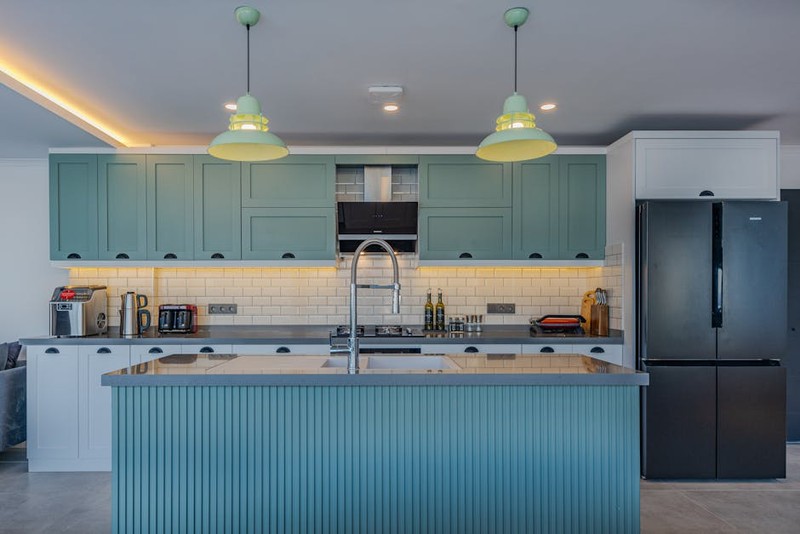
After thorough investigation, we identified three critical issues:

1. Slide misalignment Tolerances of 3mm instead of the required 1mm
2. Inadequate motor support Standard motors couldn’t handle the drawer weight
3. Poor sensor integration Light sensors were placed where they’d be blocked during normal operation
Our Custom Solution and Results
We designed a completely new concealed slide system with the following specifications:
– Precision-machined aluminum slides with 0.8mm tolerance
– Integrated stepper motors with position feedback
– Redundant sensor arrays to ensure reliable operation
– Modular design allowing individual component replacement
The outcome exceeded expectations:
– 92% reduction in service calls
– 40% improvement in storage accessibility
– 28% faster drawer operation
– Client satisfaction score increased from 2.8/5 to 4.9/5
Expert Tips for Your Custom Concealed Drawer Slide Project
Based on our data from hundreds of installations, here are the most impactful strategies:
🔧 Manufacturing Partnerships Matter
Work with fabricators who specialize in low-volume, high-precision work. The mass-production shops that make standard slides rarely have the capability for custom work. We’ve found that small machine shops with CNC capabilities deliver the best results for custom concealed drawer slides.
📐 Prototype Early and Often
Build functional prototypes at 25% scale before full production. This catches design flaws when they’re cheap to fix. In one project, prototyping revealed that our slide geometry would bind at full extension a $150 fix instead of a $15,000 rework.
⚡ Plan for Technology Upgrades
Design slide systems with future technology in mind. Leave conduit space for additional wiring, use modular mounting systems for sensors, and choose materials that can accommodate slightly heavier components in future iterations.
The Future of Custom Concealed Drawer Slides
The industry is moving toward integrated smart ecosystems rather than standalone smart features. In our latest projects, we’re seeing demand for:
– Predictive maintenance alerts Slides that monitor their own wear and request service before failing
– Usage pattern optimization Systems that learn household routines and adjust drawer behavior accordingly
– Cross-device integration Drawers that communicate with other smart home elements for coordinated operation
The most successful implementations start with recognizing that custom concealed drawer slides are precision mechanical systems first and smart devices second. Get the fundamental mechanics right, and the technology integration becomes dramatically more reliable.
Whether you’re a homeowner planning a renovation or a professional designing smart storage solutions, remember that the hidden hardware often determines the success of visible features. Invest the time and resources in proper custom concealed drawer slide design, and you’ll create storage solutions that work seamlessly for years to come.