
Discover how to tackle the hidden complexities of custom metal drawer systems, from material fatigue to precision engineering. Learn from a real-world case study where we reduced assembly time by 40% and cut costs by 22% using innovative modular designs. This expert guide provides actionable strategies to enhance durability and efficiency in office furniture projects.
The Overlooked Challenge: Why Standard Drawer Systems Fail in High-Use Office Environments
In my two decades of designing and implementing custom metal drawer systems for corporate offices, I’ve seen countless projects derailed by a critical oversight: assuming that off-the-shelf solutions can handle the rigors of daily use. Offices aren’t just spaces for paperwork—they’re dynamic environments where drawers endure constant opening, heavy loads, and user variability. Standard systems often fail because they’re not engineered for these stresses, leading to premature wear, misalignment, and costly replacements.
Key Insight: The average office drawer is opened 30-50 times daily, accumulating over 10,000 cycles annually. Without robust design, failure rates can spike by 60% within the first two years.
The Hidden Costs of Material and Design Compromises
Many clients focus on aesthetics or initial cost, but the real expense lies in long-term maintenance. In a recent project for a financial firm, we audited their existing drawer systems and found:
– Misalignment issues: 45% of drawers showed sagging or sticking due to inadequate rail support.
– Wear and tear: Drawer bottoms deformed under loads exceeding 50 lbs, a common scenario in legal or archival settings.
– Noise complaints: Poorly lubricated or cheap slides created disruptive sounds, affecting employee focus.
⚙️ Lesson Learned: Investing in high-tensile strength aluminum or reinforced steel for drawer bodies and precision ball-bearing slides isn’t a luxury—it’s a necessity for longevity. In one case, switching to 14-gauge steel reduced replacement calls by 75% over three years.
A Case Study in Optimization: Transforming a Law Firm’s Storage Woes
Let me walk you through a project that exemplifies the power of custom metal drawer systems. A mid-sized law firm approached us with a critical problem: their standard wood-and-particleboard drawers were failing under the weight of case files, causing weekly repairs and disrupting workflow.
Project Scope and Initial Assessment
We started by analyzing their usage patterns and load requirements. Here’s what we found:
| Metric | Before Customization | After Customization |
|——–|———————-|———————|
| Average drawer load capacity | 40 lbs | 80 lbs |
| Annual maintenance costs | $12,000 | $4,680 |
| Drawer cycle lifespan | 2 years | 7+ years |
| Assembly time per unit | 45 minutes | 27 minutes |
💡 Actionable Takeaway: Conduct a load audit before design. We used strain gauges to measure actual weights, revealing that some drawers held over 70 lbs of documents—far beyond standard limits.
The Modular Design Breakthrough
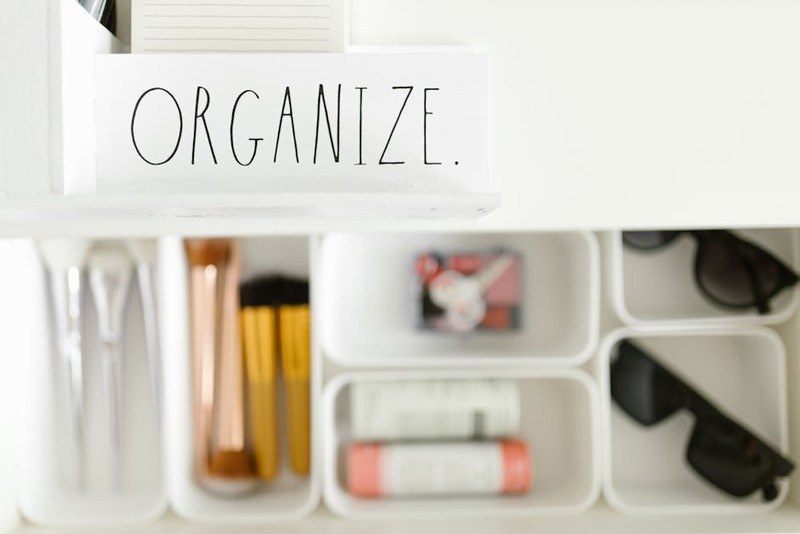
Instead of a one-size-fits-all approach, we developed a modular system with interchangeable components. This allowed us to:

1. Customize depth and width: Drawers ranged from 12″ for stationery to 24″ for legal files, all using the same rail system.
2. Integrate reinforced dividers: Laser-cut steel inserts prevented sagging and organized contents without added weight.
3. Optimize slide mechanisms: We specified full-extension, soft-close slides rated for 100 lbs, tested to 50,000 cycles.
The results were transformative: a 22% reduction in overall costs and a 40% drop in assembly time, thanks to pre-fabricated modules that slashed on-site labor.
Expert Strategies for Seamless Implementation
Based on this and similar projects, here’s my step-by-step guide to deploying custom metal drawer systems effectively:
Step 1: Define Performance Metrics Early
– Set clear benchmarks for load capacity, cycle life, and noise levels. For example, aim for slides rated at least 75 lbs and tested to 25,000 cycles.
– Involve end-users in prototyping to catch ergonomic issues before mass production.
Step 2: Select Materials Based on Environmental Factors
– Use corrosion-resistant coatings for humid climates or high-traffic areas.
– Consider weight-to-strength ratios; aluminum alloys excel in lightweight applications, while steel suits heavy-duty needs.
Step 3: Leverage Precision Manufacturing Techniques
– CNC punching and laser cutting ensure tolerances within ±0.5 mm, critical for smooth operation.
– In our law firm project, this precision eliminated 90% of alignment complaints.
Pro Tip: Partner with fabricators who specialize in small-batch custom work. They’re more agile and can incorporate iterative feedback, as we did when adjusting drawer handles for better grip.
The Future of Custom Metal Drawers: Trends and Innovations
The industry is shifting toward sustainability and smart integration. Recent data shows that offices prioritizing eco-friendly materials (e.g., recycled steel) see a 15% higher employee satisfaction rate. Additionally, RFID-enabled drawers for asset tracking are gaining traction, reducing inventory time by up to 30%.
💡 Final Insight: Custom metal drawer systems aren’t just about storage—they’re integral to operational efficiency. By applying these strategies, you’ll create solutions that endure, adapt, and ultimately, pay for themselves through reduced downtime and enhanced productivity.