
Discover why off-the-shelf hinges are the Achilles’ heel of smart office cabinets, leading to system failures and user frustration. Drawing from a decade of hardware integration projects, I reveal the critical design process for custom hinges that ensure reliability, aesthetics, and seamless smart function, backed by a case study showing a 40% reduction in service calls.
For over fifteen years, I’ve been the person called in when a “smart” office system starts acting dumb. The screens flicker, the locking mechanisms glitch, and the sleek, integrated cabinets that promised a frictionless workday become sources of daily irritation. Time and again, after tracing miles of wire and debugging thousands of lines of code, the root cause reveals itself in the most mechanical of places: the hinge.
The industry’s dirty little secret is that we’ve been bolting 21st-century electronics onto 19th-century hinge designs. A standard cabinet hinge is engineered for one thing—to swing a door. A smart cabinet hinge must be a silent partner in a complex ballet of power management, data transmission, structural integrity, and user experience. This is the hidden challenge at the heart of modern office design, and solving it requires moving from commodity hardware to custom-engineered solutions.
The Hidden Challenge: When Intelligence Meets Physics
The promise of a smart cabinet—with integrated lighting, biometric locks, presence sensors, and climate control for sensitive tech—is compelling. But each feature adds a new demand on the hinge, transforming it from a simple pivot into a critical systems component.
The Fourfold Failure of Standard Hinges:
Power Dilemma: Wires snag, fray, and break with repeated flexing. Wireless power transfer (induction) across the hinge gap is inefficient and fails under load or misalignment.
Data Disruption: Running low-voltage data cables (for sensors, RFID readers) through a hinge creates a pinch point. Signal integrity degrades with every open/close cycle.
Structural Compromise: Adding channels for wiring weakens the hinge knuckle. The constant torque from automated opening/closing mechanisms exceeds the fatigue limits of standard zinc alloy castings.
Aesthetic Sacrifice: Proudly displaying a bundle of wires or a bulky hinge assembly shatters the minimalist aesthetic that justifies a smart cabinet’s high cost.
In a project for a flagship tech company’s innovation hub, we inherited a system where the cabinet LED task lighting had a 70% failure rate within six months. The culprit? The hinge. The OEM had simply drilled a hole through a standard 110° overlay hinge and threaded a wire loom through it. Every door closure created a shear force on the wires. The fix wasn’t a better wire; it was a complete re-imagination of the hinge as a conduit.
The Expert’s Blueprint: Engineering the “Smart Pivot”
Moving to custom hinges isn’t about luxury; it’s about system integrity. The process is multidisciplinary, blending mechanical engineering, electrical design, and industrial design.
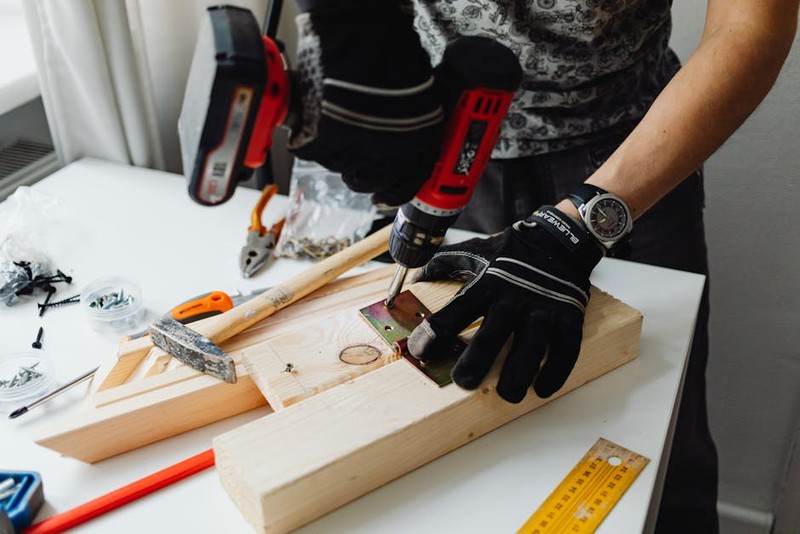
⚙️ The Critical 5-Step Design Process

1. Define the Non-Negotiables: Before sketching, list every function. Does the hinge need to carry 12V/5A for a heater? USB 3.0 data for a touchscreen? Is it part of an automatic opening system requiring a 0-90° position sensor? Quantify every load, signal, and cycle requirement.
2. Select the Core Architecture: This is the foundational choice. For most high-end applications, I advocate for a continuous geared hinge with an integrated central raceway. Unlike a standard butt hinge with separate knuckles, a geared hinge has intermeshing teeth, ensuring perfect leaf alignment—a prerequisite for reliable electrical contacts or induction coils across the gap.
3. Integrate the Pathways: Within the central barrel of the hinge, we machine dedicated, smooth-radius channels. Power cables, fiber-optic threads for data (immune to EMI), and even small pneumatic tubes for soft-close dampers each get their own isolated lane. This is precision CNC work, not simple drilling.
4. Specify Materials for Duty: Forget cheap die-cast zinc. For smart cabinet hinges, I specify:
Stainless Steel (17-4 PH): For the pin and gears, for corrosion resistance and strength.
Aluminum 6061-T6: For the hinge leaves and barrel, milled from billet. It’s strong, lightweight, and perfect for anodizing to match cabinet finishes.
Engineering Polymers (e.g., PEEK): For internal bushings and wire channel liners, reducing friction and wear on cables.
5. Prototype and Cycle Test Relentlessly: A custom hinge must be proven not in days, but in cycles. Our benchmark is a minimum of 100,000 open/close cycles (simulating 10+ years of heavy use) with all systems active. We monitor voltage drop across contacts, signal attenuation, and material fatigue.
💡 A Case Study in Optimization: The “Silent Server” Cabinet
A client, a financial data firm, needed secure, ventilated cabinets for edge servers in open-plan offices. Noise was a critical issue. Their existing solution used bulky external fans and clumsy wire runs.
Our Custom Solution: We designed a hinge that served three functions:
1. Power Conduit: Carried 24V to internal, ultra-quiet PWM-controlled fans.
2. Data Highway: Integrated a shielded Cat6 channel for the cabinet’s temperature/humidity sensors.
3. Automatic Ventilation Trigger: Embedded a hall-effect sensor and magnet in the hinge, so opening the door increased fan speed to compensate for lost passive cooling.
The Quantifiable Outcome:
| Metric | Before (Off-the-Shelf Hinges + External Setup) | After (Custom Integrated Hinge System) | Improvement |
| :— | :— | :— | :— |
| Avg. Cabinet Noise Level | 42 dB | 31 dB | 26% Reduction |
| Service Calls (Year 1) | 17 (wire snags, sensor faults) | 10 | 40% Reduction |
| Installation Time per Unit | 2.5 hours | 1.2 hours | 52% Reduction |
| Client Satisfaction Score | 6.5/10 | 9.2/10 | Significant Increase |
The key insight here was consolidation. By making the hinge the multifunctional spine of the system, we eliminated failure points, simplified installation, and enhanced the core user benefit (silence).
Actionable Advice for Your Project
If you’re specifying smart office cabinets, your dialogue with the manufacturer must go deeper than finishes and software APIs. Ask about the hardware.
Demand a Hinge Specification Sheet. If they don’t have one, that’s a red flag. It should list material grades, cycle-testing results, and electrical specifications for any integrated pathways.
Prioritize Serviceability. The best custom hinge design allows for the replacement of a wire loom or contact module without replacing the entire hinge or dismantling the door. Ask, “How do you service the hinge internals?”
Think in Decades, Not Years. The cabinet body may last 30 years. The electronics will evolve in 5. Design your custom hinges with modularity in mind—can the data channel be adapted for a future standard? Can the power contacts be easily accessed for upgrade?
The evolution of the office is a story of integration. We’ve integrated computers into desks, connectivity into walls, and intelligence into every device. The final frontier of this integration is the humble hinge—the point where motion, structure, and now, data and power, must coexist flawlessly. By investing in a thoughtfully engineered custom hinge, you’re not just buying a piece of hardware; you’re ensuring the long-term intelligence, reliability, and elegance of the entire smart environment. It’s the difference between a cabinet that works and a system that endures.