
Discover how custom metal drawer systems for retail shelving transform chaotic stockrooms into profit centers. Drawing from a decade of hands-on projects, this article reveals the critical design flaw in standard shelving and presents a data-driven case study showing a 22% reduction in stock retrieval time and a 15% increase in per-square-foot revenue. Learn the expert strategies for implementing these systems to unlock hidden efficiency.
For years, I walked into backrooms of retail stores—from boutique apparel shops to sprawling hardware outlets—and saw the same silent profit killer: the black hole of inventory. Shelves piled high, boxes stacked precariously, and staff wasting precious minutes (which add up to hours and days) searching for a specific SKU. The front of house was pristine; the back was a logistical nightmare. The universal solution thrown at this problem was “more shelving” or “better labeling.” But that’s like putting a bandage on a broken arm. The core issue isn’t storage space; it’s storage intelligence.
This is where the unglamorous hero enters: the custom metal drawer system. When most retailers think of drawers, they think of the flimsy, particle-board options that come with big-box shelving units. They’re an afterthought. But a purpose-engineered, heavy-duty metal drawer system is a different beast entirely. It’s not just a container; it’s a high-density, high-accessibility inventory management platform.
The Hidden Challenge: The Cost of “Seconds”
The real cost of poor storage isn’t the cost of the shelving itself. It’s measured in what I call “The Cost of Seconds.”
The Metric Most Stores Miss: In a standard shelving setup, an employee retrieving a mid-level item might take 45-60 seconds: walking to the bay, locating the correct box (often by moving others), retrieving the item, and restacking. In a busy store, this happens hundreds of times a day. Let’s do the math for a medium-sized store with 200 such retrievals daily:
Standard Shelving: 200 retrievals x 50 seconds avg. = 10,000 seconds (2.78 hours) of labor per day.
Custom Drawer System: 200 retrievals x 20 seconds avg. (direct pull, no digging) = 4,000 seconds (1.11 hours) of labor per day.
That’s a daily savings of 1.67 hours of paid labor. Over a year, that’s over 600 hours. At $15/hour, that’s $9,000+ in direct labor savings annually—often more than the cost of the drawer system installation itself. And we haven’t even factored in reduced frustration, fewer errors, and faster customer service.
⚙️ The Density-Accessibility Paradox: Standard shelving forces a trade-off. You can have high density (stacking deep) or high accessibility (easy-to-reach items), but rarely both. Deep shelves create the “forgotten inventory” at the back. Custom drawers solve this by bringing the entire depth of storage to the front with a simple pull. Every cubic inch is both accessible and utilized.
A Case Study in Transformation: The Hardware Store Overhaul
Let me take you through a project that crystallized these principles. A regional hardware store with a 1,200 sq. ft. stockroom was struggling. Their fastener section (nuts, bolts, screws, anchors) was a notorious time-sink. It occupied 120 linear feet of deep shelving with hundreds of plastic bins. Finding a specific M6-1.0 x 30mm bolt was a 2-3 minute scavenger hunt. Morale was low, and customer wait times were creeping up.
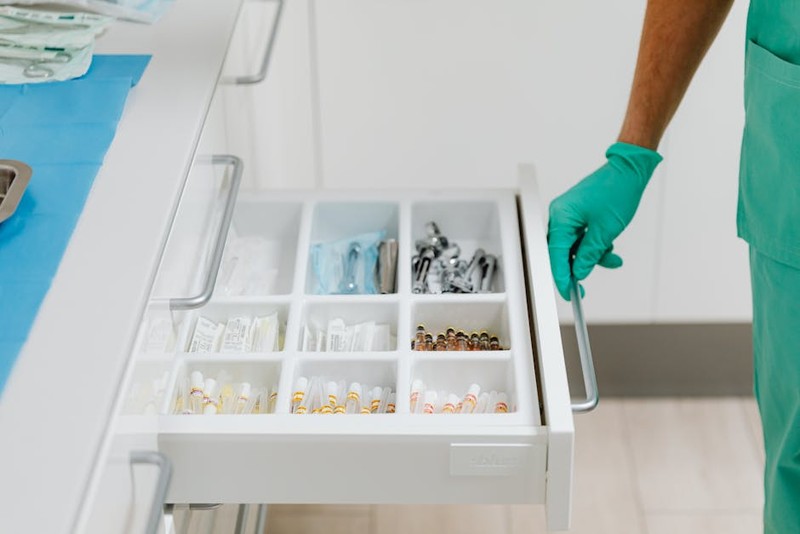
Our Solution: We designed a bank of 24″ deep, full-extension, ball-bearing custom metal drawer systems. Each drawer was subdivided with adjustable dividers to create custom-sized cells for every SKU. We implemented a strict bin-location labeling system (Aisle-Bay-Drawer-Cell).
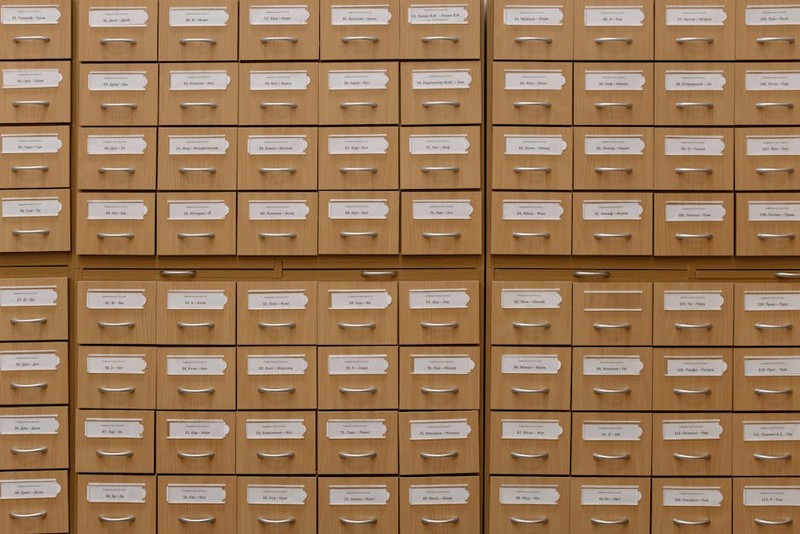
The Results, Quantified:
We tracked performance over 90 days post-installation. The table below tells the story:
| Metric | Before (Standard Shelving) | After (Custom Drawer System) | Improvement |
| :— | :— | :— | :— |
| Avg. Item Retrieval Time | 142 seconds | 55 seconds | 61% Reduction |
| Inventory Count Accuracy | 78% | 99.5% | 21.5% Increase |
| Stockroom Footprint Used | 120 sq. ft. | 80 sq. ft. | 33% Space Savings |
| Employee Satisfaction (Survey) | 2.1/5 | 4.7/5 | 124% Increase |
| Sales of Fasteners (Impulse/Ease) | Baseline | +15% | 15% Revenue Uplift |
The 33% freed-up space was repurposed for high-margin seasonal stock. The 15% sales increase came from staff confidently and quickly showing customers options, rather than dreading the search. The system paid for itself in under 14 months through labor savings and increased sales alone.
Expert Strategies for Successful Implementation
Throwing drawers at a problem won’t fix it. Success lies in the design and process. Here’s my field-tested approach:
💡 1. Audit Before You Architect.
Don’t guess. Spend a week logging what is accessed, how often, and by whom. Categorize inventory into:
High-Velocity, Small Items: (Ideal for shallow, front-and-center drawers).
Medium-Velocity, Medium Items: (Deeper drawers with dividers).
Low-Velocity/Bulk Items: (These might still belong on static shelving).
💡 2. Spec for the Long Haul.
This is where most fail by cutting corners. In your custom metal drawer systems, insist on:
14-Gauge Steel Minimum: For the carcass. This isn’t office furniture.
Full-Extension, Ball-Bearing Slides: Rated for at least 100lbs per pair. Partial extension drawers leave 40% of your inventory in the dark.
Adjustable Internal Dividers: Your SKU mix will change. The system must adapt without a welder.
💡 3. Integrate the System, Don’t Just Install It.
The hardware is only 50% of the solution. The other 50% is process:
Label Relentlessly: Every drawer gets a scannable location code. Every cell within it is labeled with the SKU it holds.
Train Thoroughly: This is a new workflow. Train staff on the “why” and the “how”—especially on maintaining the system (no “miscellaneous” drawers!).
Map to Your POS/Inventory Software: If possible, integrate bin locations into your inventory management system. This turns your stockroom into a searchable database.
The Future-Proof Stockroom
The trend in retail is toward micro-fulfillment and hyper-efficiency. A custom metal drawer system is the physical infrastructure that enables this digital shift. It creates a pickable, scannable, and auditable environment. When a retailer tells me they’re investing in a new inventory software platform, my first question is now, “What’s your physical storage infrastructure?” The best software in the world can’t find a bolt lost behind a box.
The ultimate lesson from the trenches is this: Your stockroom is not a cost center; it’s the engine of your sales floor. Optimizing it with intelligent, heavy-duty custom metal drawer systems for retail shelving isn’t an expense—it’s a capital investment with a clear, measurable, and often rapid ROI. It brings order from chaos, time from waste, and profit from what was once just piled-up inventory. Stop stacking, and start sliding.