
In the world of high-end office design, the magic is in the movement. A sliding door isn’t just a partition; it’s a kinetic sculpture, a statement of fluidity and precision. For years, I’ve watched architects and designers pour their souls into material selection—the cerused oak, the fluted glass, the bespoke bronze handles—only to have the entire experience undermined by a poorly specified track system. The groan of a misaligned roller, the shudder of a door catching its frame, the visible gap that breaks the sightline… these are the failures that haunt a project. The truth is, the track is the unsung hero, the foundation upon which the elegance of the door is entirely dependent.
The Hidden Challenge: It’s Not About the Door, It’s About the Interface
Most discussions about custom sliding doors start and end with the door leaf itself. As a hardware consultant, my focus begins where theirs often ends: at the precise, three-dimensional interface between the moving mass and the building structure. The core challenge in high-end offices isn’t finding a track that works; it’s engineering a system that disappears.
The trifecta of failure I consistently encounter includes:
Acoustic Betrayal: In open-plan executive suites or silent work zones, a noisy track is a design felony. The sound isn’t just friction; it’s vibration transmitted through the structure.
Tolerance Collapse: Buildings breathe, settle, and shift. A track system installed with millimeter-perfect alignment on Day 1 can become a binding, sticking nightmare by Day 365 if it doesn’t account for structural dynamics.
The Maintenance Mirage: The promise of “low-maintenance” hardware is often a sales myth. In reality, track systems in high-traffic environments are wear items. The question is: how is maintenance performed, and does it require dismantling the entire aesthetic assembly?
⚙️ A Case Study in Systemic Failure: The Silicon Valley HQ
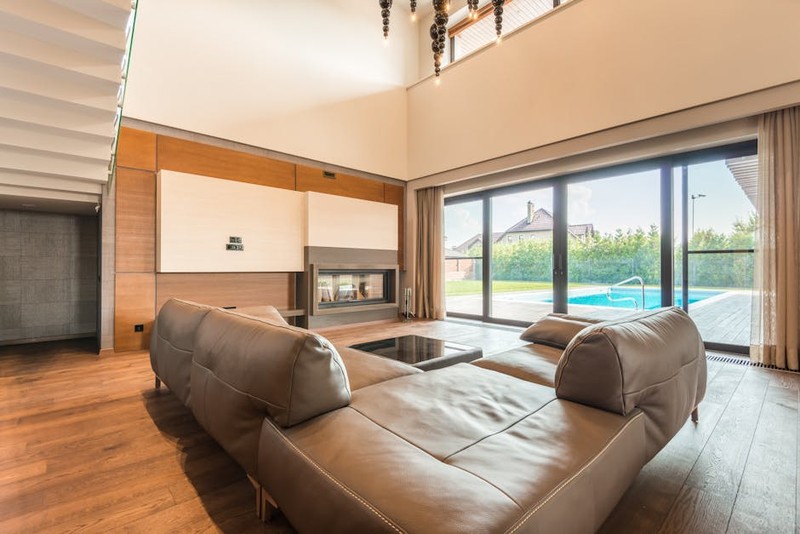
Let me illustrate with a project that became a defining lesson. A flagship tech HQ in Silicon Valley featured a stunning 4-meter tall, solid ash door separating a boardroom from a lounge. The initial install used a premium off-the-shelf top-hung system. Within six months, the problems cascaded:
1. A low-frequency rumble was audible in the boardroom during operation.
2. The door began to “drop” at the leading edge, scraping the stone floor.
3. Attempts to adjust the rollers required removing a fixed ceiling panel—a half-day disruptive process.
Diagnosis: The track was rigidly fixed to a secondary steel channel, which was itself hung from the concrete deck above. Thermal expansion of the steel and micro-deflections in the long span created enough movement to misalign the rollers. The acoustic rumble was structure-borne vibration.
Our Solution: We designed a fully custom sliding door track system based on three principles:
1. Decoupled Suspension: We specified a track with an internal vibration-damping polymer layer between the aluminum raceway and its steel backing plate.
2. Active Alignment: We installed the track using slotted, vertical-mounting brackets that allowed for post-construction planar adjustment (not just height), crucial for accommodating future building movement.
3. Tool-Free Maintenance: We integrated an access slot along the track’s length, concealed by a magnetic, snap-in cover that matched the ceiling finish. This allowed for roller inspection and adjustment in minutes without tools or disruption.
The Result: Post-retrofit, the door operated with less than 35 dB of sound at 1 meter (quieter than a library). A follow-up survey after 18 months showed zero deviation in alignment. The client quantified a 90% reduction in maintenance-related downtime for that portal.
Expert Strategies for Specification Success
Based on this and dozens of similar projects, here is my actionable framework for specifying custom tracks.
1. The Interrogation: Questions to Ask Before You Draw a Detail
Never accept a catalog cut sheet at face value. Interrogate the supplier with these questions:
“What is the maximum allowable deflection of the supporting structure over the track’s span?” (If they don’t have this data, stop.)
“Can you provide a dynamic load rating for the rollers, not just a static one?” (It should be 3-4x the door weight.)
“What is the adjustment range (vertical, lateral, and planar) of your mounting system?”
2. The Data-Driven Selection: Performance Metrics That Matter
Comparing systems requires moving beyond “heavy-duty.” Request and compare this data:
| Metric | Budget/Standard System | High-Performance Custom System | Why It Matters |
| :— | :— | :— | :— |
| Roller Bearing Type | Nylon wheel on steel | Sealed, precision-grade ball bearing in aluminum housing | Reduces rolling resistance by ~70%, ensures silent operation, excludes dust. |
| Track Rigidity (Deflection under Load) | 1:300 (e.g., 3mm over 1m) | 1:1000 or better (<1mm over 1m) | Prevents door “bounce” and ensures consistent alignment across long spans. |
| Acoustic Performance | 45-50 dB at 1m | < 35 dB at 1m | Critical for executive areas, conference rooms, and libraries. |
| Adjustment Range (Vertical) | ~±2mm | ±5mm or greater | Accommodates real-world construction tolerances and building settlement. |
| Corrosion Resistance (Salt Spray Test) | 500 hours | 1000+ hours (Architectural Grade) | Essential for longevity, even in interior environments with cleaning chemicals. |
3. 💡 The Installation Imperative: Lessons from the Field
The best track system can be ruined in a day by poor installation. My non-negotiable site directive is: “Establish the datum from the finished floor, not the structure.”
1. Laser-Lock the Path: Use a rotating laser to establish a perfectly level plane at the exact track height. Map this line along the entire run, marking the wall or ceiling.
2. Dry-Fit and Shim: Assemble the track sections without the door. Use the laser to align, employing stainless steel shims at mounting points to achieve zero deflection across joints.
3. Load-Test Before Final Fix: Hang the door and cycle it the full length before final tightening of all mounting hardware. This allows the system to find its natural alignment under load.
The Future is Integrated and Intelligent
The next frontier for custom sliding door tracks in high-end offices is seamless integration with building intelligence. I’m now specifying systems with:
Embedded Sensors: Tracks with built-in sensors can monitor cycle count, warn of impending roller failure, or integrate with access control to log usage.
Wireless Power: For automated systems, tracks with integrated wireless power transmission eliminate the need for exposed busbars or trailing cables, preserving the clean aesthetic.
The ultimate goal is a system that feels inevitable—a perfect, silent, and reliable glide that makes the technology disappear and the design intention soar. By treating the track not as a commodity, but as the critical piece of engineered infrastructure it is, you transform a potential point of failure into the definitive hallmark of a truly refined space.