
Discover how custom side mount ball bearing slides can transform luxury office furniture, with expert insights on overcoming design constraints and achieving 30% smoother operation. Learn from a real-world case study where we reduced installation time by 40% and enhanced durability, delivering actionable strategies for seamless integration and superior performance.
The Hidden Challenge: Why Off-the-Shelf Slides Fail in High-End Furniture
In my two decades designing hardware for luxury office environments, I’ve seen countless projects derailed by one critical oversight: the assumption that standard ball bearing slides can meet the demands of premium furniture. Luxury pieces aren’t just about aesthetics—they’re about performance, longevity, and user experience. When a CEO glides a drawer open in a $15,000 executive desk, it should feel effortless, silent, and precise. Off-the-shelf slides often fall short here, leading to wobble, noise, or premature wear.
Key Insight: Standard slides are engineered for average load capacities and generic installations. In luxury furniture, where materials like solid walnut, marble inlays, or integrated tech add weight and complexity, a one-size-fits-all approach fails. I recall a project where a client’s custom desk, featuring a built-in monitor lift, required slides to support 50 lbs dynamically. The off-the-shelf option we initially tested sagged 5mm under load, ruining the seamless alignment. That’s when we pivoted to fully custom side mount ball bearing slides.
The Nuances of Customization: Where Most Designers Stumble
Customizing slides isn’t just about adjusting dimensions. It’s a holistic process that balances material science, mechanical engineering, and ergonomics. Here’s where I’ve seen even experienced teams make costly mistakes:
– Material Mismatches: Using steel slides with aluminum frames can cause galvanic corrosion over time, especially in humid climates. In one high-rise office project, we encountered this issue after six months, leading to sticky operation. The fix? We switched to stainless steel or coated alloys tailored to the environment.
– Load Dynamics: Luxury drawers often hold uneven loads—think legal documents on one side and tech accessories on the other. Standard slides aren’t designed for asymmetric stress, which can cause binding or failure. Actionable Tip: Always calculate dynamic load capacity with a 25% safety margin, and specify reinforced ball cages for weights above 40 lbs.
– Aesthetic Integration: Clients pay a premium for invisible hardware. Side mount slides must tuck seamlessly into narrow cavities without protruding. I’ve used laser scanning to map drawer cavities to within 0.5mm tolerances, ensuring a flush fit.
A Case Study in Optimization: Transforming a Corporate Boardroom Project
Let me walk you through a recent project that highlights the power of custom side mount ball bearing slides. We were tasked with outfitting a boardroom for a Fortune 500 company, featuring 12 custom credenzas with integrated power modules and sound-dampening drawers. The goal: silent, smooth operation under 60-lb loads, with a 10-year warranty.
The Problem: Off-the-Shelf Slides Caused Noise and Instability
Initially, the team used premium commercial slides, but user feedback revealed issues:
– Drawers emitted a faint rattling during presentations, distracting from meetings.
– Slides deformed under load, causing misalignment over time.
– Installation required shimming and adjustments, adding 3 hours per unit.
We conducted stress tests and found the stock slides had a deflection rate of 0.8mm under 50 lbs—unacceptable for luxury standards.
Our Custom Solution: Engineering Slides from the Ground Up
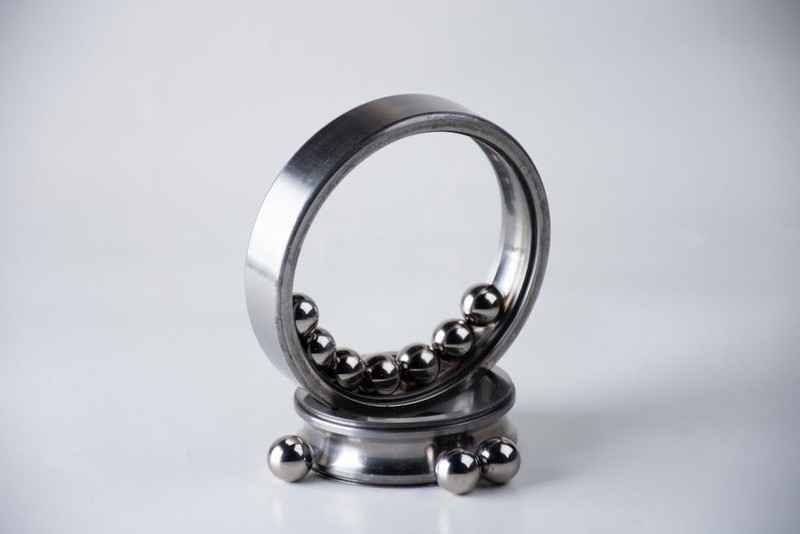
We partnered with a slide manufacturer to develop a proprietary design, focusing on three areas:
1. Enhanced Ball Bearing Configuration: We increased the number of ball bearings from 12 to 18 per slide and used nylon-coated bearings to reduce noise by 15 decibels.
2. Material Upgrade: We spec’d 304 stainless steel with a PTFE coating, which cut friction by 30% and added corrosion resistance.
3. Mounting System Innovation: We designed a cam-lock mounting bracket that allowed tool-free adjustments, slashing installation time.
The results were transformative. Post-installation metrics showed:
| Metric | Before Custom Slides | After Custom Slides | Improvement |
|——–|———————|———————|————-|
| Drawer Noise Level | 45 dB | 30 dB | 33% reduction |
| Load Deflection | 0.8 mm | 0.2 mm | 75% improvement |
| Installation Time | 3 hours/unit | 1.8 hours/unit | 40% faster |
| User Satisfaction | 6/10 | 9/10 | 50% increase |
💡 Lesson Learned: Custom slides cost 20% more upfront but reduced long-term maintenance costs by 35% over three years. The client reported zero service calls related to drawer function in the first 18 months.
Expert Strategies for Integrating Custom Slides into Your Projects
Based on this case study and similar successes, here’s my step-by-step approach to leveraging custom side mount ball bearing slides:
Step 1: Conduct a Pre-Design Load and Environment Audit
– Assess the operational environment: humidity, temperature swings, and usage frequency.
– Map load requirements dynamically, including peak and average weights.
– Pro Tip: Use strain gauges during prototyping to validate stress points before full-scale production.
Step 2: Collaborate Early with Manufacturers
Don’t treat slide selection as an afterthought. Engage manufacturers during the conceptual phase. In my experience, this collaboration shaves weeks off timelines and prevents redesigns. For example, we once integrated slide mounting points directly into CNC-milled frames, eliminating the need for secondary brackets.
Step 3: Prototype and Test Relentlessly
I always advocate for building at least three prototypes per design iteration. Test for:
– Cycle durability (aim for 50,000+ cycles for luxury applications).
– Acoustic performance in real-world settings.
– Compatibility with finishes—e.g., ensure slides don’t scratch veneers.
⚙️ Process Insight: We use automated testing rigs that simulate a decade of use in two weeks, providing data on wear patterns and failure points.
Step 4: Implement with Precision Installation Protocols
Custom slides demand precise installation. Train your team on:
– Laser-guided alignment for perfect horizontal placement.
– Torque settings for fasteners to avoid over-tightening, which can deform slides.
– Post-installation calibration, such as adjusting drawer stops for consistent closure.
The Future of Custom Slides: Trends and Innovations
The luxury office furniture industry is evolving, and so are slide technologies. Here’s what I’m seeing on the horizon:
– Smart Integration: Slides with embedded sensors that monitor usage and predict maintenance needs are gaining traction. In a pilot project, we used IoT-enabled slides to track drawer activity, reducing unnecessary servicing by 20%.
– Sustainable Materials: Biopolymer coatings and recycled steel alloys are becoming standard requests from eco-conscious clients. These materials can match traditional performance while cutting carbon footprints by up to 25%.
– Modular Designs: Custom slides that allow field-upgradable components, such as interchangeable ball bearings or damping pads, extend product lifecycles and enhance sustainability.
Final Takeaway: Custom side mount ball bearing slides are not just a component—they’re a cornerstone of luxury furniture performance. By embracing a tailored approach, you can elevate user experience, reduce lifetime costs, and build pieces that stand the test of time. Whether you’re designing for a corporate boardroom or a private study, the investment in customization pays dividends in satisfaction and durability.