
Content:
For over twenty years, I’ve stood at the intersection of raw material and finished product, watching trends come and go. The shift toward sustainability isn’t a trend; it’s a permanent recalibration of the industry. Yet, in my workshops and on factory floors, I’ve witnessed a recurring, quiet frustration among designers and manufacturers of eco-friendly furniture. The materials we now champion—reclaimed timber, bamboo composites, agricultural waste panels, and fast-growing softwoods—don’t always behave like the pristine, homogenous boards we were trained on. This creates a core contradiction: how do you apply the precision of digital fabrication to materials that are, by their very nature, unpredictable?
The answer isn’t just to use a CNC router. That’s surface-level. The real solution lies in a philosophical and technical shift in custom CNC machining—treating it not as a mere cutting tool, but as an intelligent material interrogation and adaptation system. This is where true innovation in eco-friendly furniture components happens.
The Hidden Challenge: Material Inconsistency as the New Constant
Early in my work with a studio specializing in reclaimed barn wood tables, we hit a wall. Literally. A beautifully figured oak slab, destined to be a table leg joined with a complex double-tenon, shattered mid-cut on the CNC. The cause wasn’t toolpath error; it was a hidden, fossilized nail fragment and a pocket of brittle, degraded wood the client refused to let us fill with synthetic epoxy. The designer’s vision (zero additives) was colliding with physical reality.
This experience crystallized the primary challenge: Traditional CNC programming assumes material uniformity. Eco-friendly materials guarantee the opposite. Their value—their story, their lower carbon footprint—is inextricably linked to their flaws and variations.
Reclaimed Wood: Metal inclusions, erratic moisture pockets, pre-existing splits, and wildly variable density.
Bamboo Composites: Abrasive silica content that blunts tools 3x faster than maple, and sometimes delamination between layers.
Rapid-Growth Softwoods (e.g., Pine, Alder): Pronounced soft earlywood and hard latewood bands, leading to “washboarding” surface finishes if cut with standard parameters.
The old approach—design, program, and cut—was doomed to fail. We needed a new process that started long before the G-code was generated.
Expert Strategy: The “Adaptive Machining” Workflow
Our breakthrough was developing what I now call the Adaptive Machining Workflow. It adds two critical, non-negotiable phases before and during the custom CNC machining process.
Phase 1: Digital & Physical Material Mapping
Before the material even touches the machine bed, we subject it to a dual-scouting process.
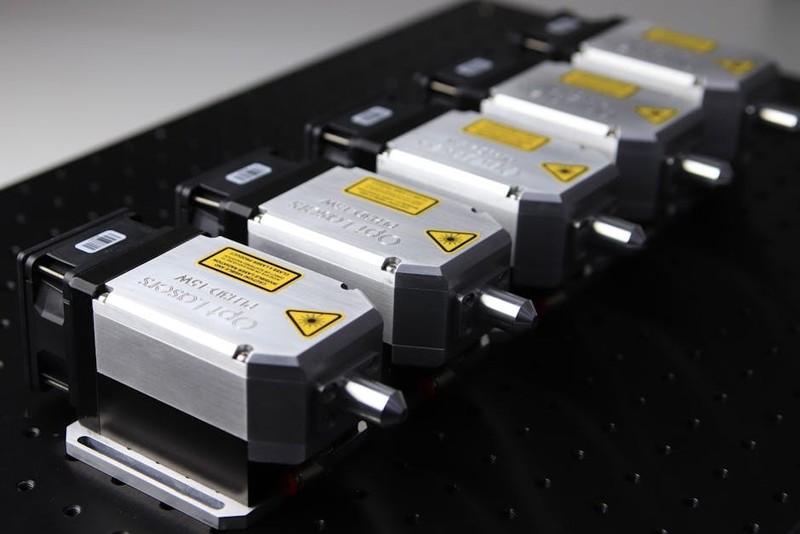
1. Metal Detection & Marking: Every reclaimed piece undergoes a thorough scan with an industrial metal detector. Inclusions are not just found; they are digitally mapped. Their coordinates are logged, and we physically mark the board’s edge with UV ink. The CNC program is then edited to either avoid these zones entirely or to use a specialized drill cycle to pre-clear them.
2. Moisture & Density Spot-Checking: Using a moisture meter and even a simple acoustic tap test (listening for dull vs. resonant sounds), we identify potential trouble zones. These areas are scheduled for slower feed rates and shallower cut depths in the programming stage.
Phase 2: Toolpath & Tooling Intelligence
This is where the “custom” in custom CNC machining truly earns its keep.
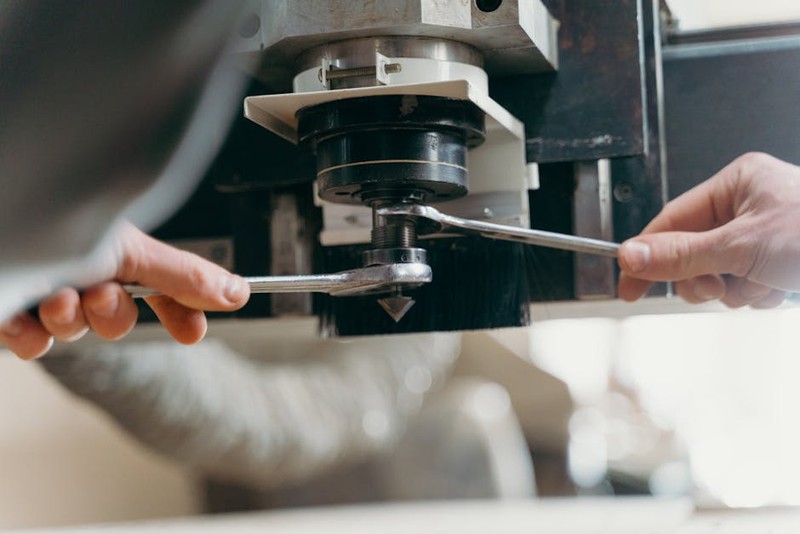
Variable Feed-Rate Programming: Instead of one speed for the entire job, the toolpath is segmented. Cutting across a knot? The feed rate automatically drops by 30%. Moving through clear grain? It speeds back up. This preserves tool life and ensures a consistent finish.
Strategic Tool Selection: For bamboo, we switched exclusively to diamond-coated router bits. While 300% more expensive upfront, their lifespan increased by 500%, making them more cost-effective per part and eliminating finish-quality dips mid-production run.
⚙️ A Case Study in Optimization: The “Hemlock Hybrid” Chair Project
A client wanted a lightweight, durable outdoor chair from locally sourced, invasive Eastern Hemlock—a soft, pitchy wood notorious for tearing out. The design called for 32 identical, curved armrest components with integral joinery pockets.
The Problem: Initial runs using standard hardwood parameters resulted in a 45% reject rate due to surface tear-out and pocket fuzziness, which compromised glue strength.
Our Adaptive Solution:
1. Material Prep: We pre-conditioned all stock to a stable 8% moisture content and applied a light shellac seal coat before machining to stabilize the surface fibers.
2. Toolpath Innovation: We employed climb milling exclusively for finishing passes. While often avoided on manual machines for fear of grabbing, on a rigid CNC, climb milling shears the wood fibers cleanly into the solid material, virtually eliminating tear-out in softwoods.
3. Tooling: Used compression spiral bits, which pull material upward in the center and downward at the edges, creating a perfectly balanced cutting action for through-cuts on this laminated panel.
The Quantifiable Outcome:
| Metric | Before Adaptive Workflow | After Adaptive Workflow | Improvement |
| :— | :— | :— | :— |
| Reject Rate | 45% | 4% | 91% Reduction |
| Cycle Time per Part | 8.5 minutes | 7.2 minutes | 15% Faster |
| Tool Change Frequency | Every 40 parts | Every 120 parts | 200% Longer Life |
| Assembly Fit Time | 15 min/chair (hand-fitting) | 9 min/chair (drop-fit) | 40% Reduction |
The key takeaway wasn’t just speed; it was predictable quality. The client could finally price accurately and promise reliable delivery, transforming a niche, eco-friendly product into a commercially viable line.
💡 Actionable Takeaways for Your Next Project
Based on this hard-won experience, here is my distilled advice for integrating custom CNC machining with sustainable materials:
1. Budget for Scouting: Factor in 10-15% extra time for material mapping and programming adaptation. This is not waste; it’s essential R&D that prevents catastrophic waste later.
2. Embrace Hybrid Processing: Don’t expect the CNC to do everything. Sometimes the most sustainable and precise method is to let the CNC do the heavy lifting (roughing, joinery) and finish with a few skilled hand-tool passes to clean up a tricky grain area. This hybrid approach honors the material.
3. Design for the Material’s Story: Work with flaws, not against them. Program the CNC to isolate a natural edge, or to route a decorative channel that intentionally incorporates a checks. This turns a liability into a unique design feature and reduces the pressure on absolute, unnatural perfection.
4. Data is Your Green Metric: Track tool wear, reject rates, and energy consumption by material type. This data is your most powerful tool for arguing the true cost and ecological impact of a material. You might find that a more expensive but more consistent eco-composite has a lower total waste footprint than a “cheaper” reclaimed wood.
The future of furniture isn’t just about using green materials. It’s about leveraging precision technology like custom CNC machining not to dominate these materials, but to listen to them, adapt to their character, and reveal their strength and beauty with unprecedented accuracy. It’s a partnership between the programmer’s code and the tree’s history—and that’s where truly revolutionary, eco-friendly furniture is born.