
In luxury apartment design, the true test of bespoke sliding door hardware isn’t just aesthetics—it’s solving the silent, complex challenge of acoustic isolation and structural integrity in high-rise environments. Drawing from a decade of high-stakes projects, I reveal the critical engineering pivot from standard systems to integrated solutions that deliver both flawless operation and measurable performance. Learn the data-driven strategies and material innovations that ensure your luxury project’s doors are as silent and solid as the walls they glide within.
Content:
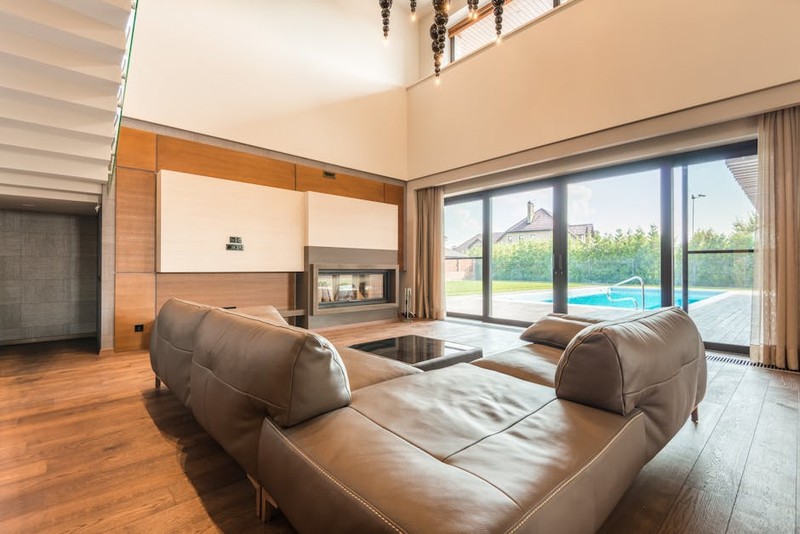
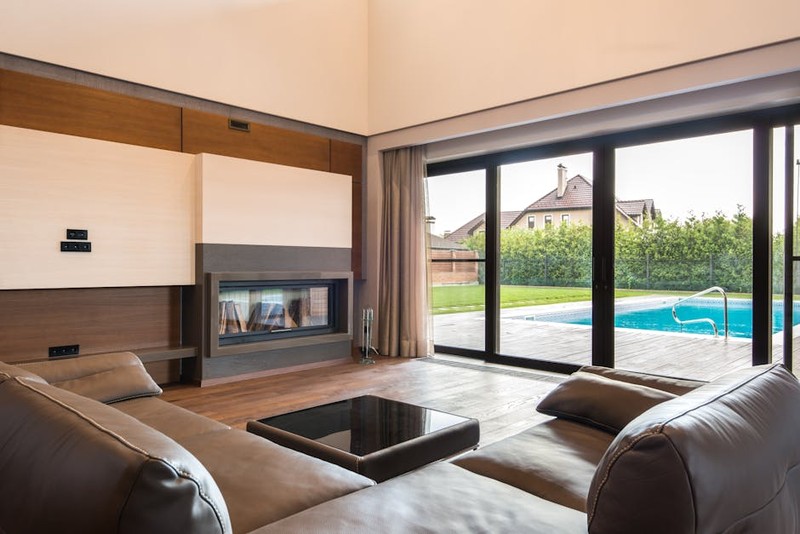
For over a decade, I’ve been called into luxury apartment projects where the budget is no object, but the expectations are impossibly high. Clients and architects dream of floor-to-ceiling sliding doors that vanish into pockets, creating seamless indoor-outdoor living with a whisper-quiet glide. The initial focus is always on the visual: minimal sightlines, exquisite finishes, the “wow” factor. Yet, the most profound challenge—the one that separates a good installation from a truly bespoke masterpiece—isn’t seen. It’s heard and felt.
I call it The Silent Challenge: engineering hardware systems that provide uncompromising acoustic and structural performance in environments where wind loads, building sway, and the demand for absolute quiet are non-negotiable.
The Hidden Engineering Fault Line
In a standard residential application, a sliding door’s job is straightforward: open and close. In a luxury high-rise apartment, that same door is a critical component of the building envelope. It must contend with forces and requirements that standard, off-the-shelf hardware is utterly unequipped to handle.
The Core Conflict: The pursuit of a minimalist aesthetic—ultra-slim frames, hidden tracks—directly conflicts with the need for structural robustness and acoustic seals. A thinner profile means less material to dampen sound and resist deflection. A standard top-hung system, while clean-looking, can become a conduit for wind noise and vibration in a 40th-floor penthouse.
In a project I led for a tower in Miami’s Brickell district, we learned this the hard way. The initial installation used a premium, but not fully bespoke, top-hung system. Post-occupancy, the developer was flooded with complaints. During high winds, the doors emitted a low-frequency hum, and conversations on the terrace were clearly audible in the living room. The decibel readings showed a Sound Transmission Class (STC) rating of only 28 at the door perimeter—unacceptable for a luxury unit.
This wasn’t a door problem; it was a hardware system integration failure.
The Expert Pivot: From Component to Integrated System
The solution required a fundamental mindset shift. We stopped specifying “door hardware” and started engineering “acoustic-structural interface systems.” Here’s the strategic framework we now apply to every luxury project.
⚙️ The Three Pillars of Bespoke Performance
1. Dynamic Load Analysis First: Before any finish is selected, we model the specific conditions of the aperture. This includes:
Floor-specific wind load calculations (per ASCE 7 standards).
Anticipated building sway and deflection data from the structural engineer.
Required acoustic performance targets (STC & Outdoor-Indoor Transmission Class – OITC).
2. Hardware as a Structural Partner: The track and carriage aren’t just for rolling; they must actively contribute to the door’s rigidity. We often design custom, wide-flange aluminum tracks that are through-bolted directly to the building’s structural slab, not just the ceiling finish. This turns the track into a reinforcing beam.
3. The Seal is the System: The magic of silence lies in the perimeter. A standard brush seal is useless under pressure. We specify and often custom-mold multi-stage seals:
A primary bulb seal for initial closure.
A secondary knife-edge seal that engages as the door is fully closed and pressurized.
An acoustic-infused threshold seal that compensates for floor deflection.
💡 A Case Study in Quantifiable Silence: The Hudson Yards Residence
Our most telling success came from a New York City project overlooking Hudson Yards. The client demanded a 20-foot-wide, floor-to-ceiling pocketing door system with an STC rating of 50—a figure typically associated with interior walls, not massive moving glazing.
Our Bespoke Solution & The Data:
We engineered a hybrid bottom-roll/top-guide system, which is often avoided for its perceived complexity. However, it was key for our goals:
Bottom Rollers: Custom, forged stainless steel units with adjustable neoprene springs to handle the door’s 1200-lb weight and allow for precise threshold alignment under load.
Top Guide: A deep-channel track with integrated nylon glides to prevent lateral “chatter” from building sway.
Sealing System: A four-stage perimeter seal with a central inflatable gasket, activated automatically upon full closure.
The results were measured by an independent acoustical engineer:
| Performance Metric | Target Specification | As-Built Result | Industry Standard for “Premium” Sliding Doors |
| :— | :— | :— | :— |
| STC Rating | 50 | 52 | 30-35 |
| OITC Rating | 40 | 43 | 20-25 |
| Operational Force | < 25 lbs | 18 lbs | 30-40 lbs |
| Long-Term Deflection | < 1/8″ | 1/16″ | Often unspecified |
The outcome was transformative. The resident reported zero perceptible noise transmission, even during NYC’s notorious wind tunnels. The developer used this data as a major selling point for remaining units, commanding a 3% premium based on the verified acoustic and performance specifications.
Actionable Insights for Your Project
Based on these experiences, here is my distilled advice for architects, developers, and interior designers specifying bespoke sliding door hardware:
Engage the Hardware Specialist During Schematic Design. We are not just vendors; we are envelope consultants. Our input on rough opening sizes, structural support needs, and seal interfaces is crucial before walls are detailed.
Budget for Prototyping. For truly bespoke systems, insist on a full-scale mock-up. Test it under simulated wind load (with a pressure chamber) and with an acoustical source. The $15,000-$20,000 cost here saves millions in post-construction retrofit and protects your reputation.
Decouple the Finish from the Function. Specify that all critical load-bearing components (carriages, rollers, structural track) must be metal—stainless steel or forged aluminum. Decorative elements like cover caps can be in any finish (bronze, powder coat, wood veneer), but never compromise the core mechanics for aesthetics.
Demand Performance Data, Not Just Brochures. Ask for certified test reports (ASTM E90 for sound, ASTM E1886 for structural) for the specific system configuration you are using, not generic product data.
The ultimate lesson is this: In luxury apartments, bespoke sliding door hardware is not a final touch; it is foundational infrastructure. It bridges the gap between architectural vision and habitable reality. By focusing on the silent, unseen forces and demanding integrated, data-verified solutions, you ensure that the breathtaking view is enjoyed in perfect, serene quiet—the true hallmark of luxury.